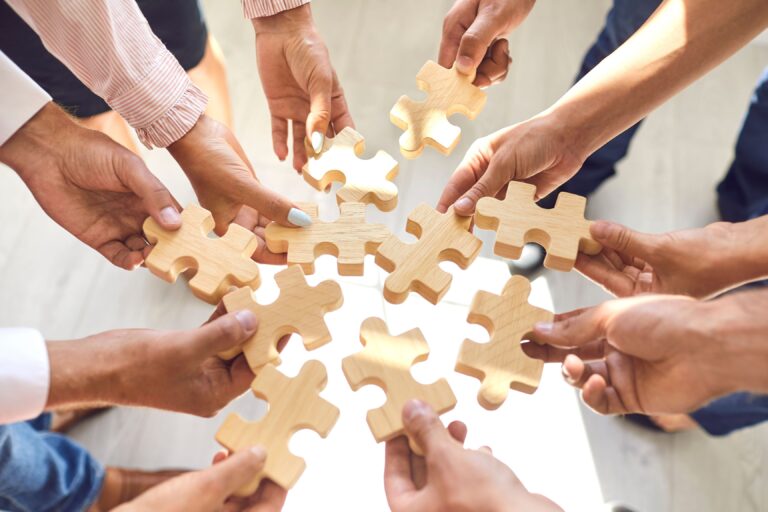


Organizing a team building often raises one question: when is really the right time? You’re looking to bring your teams together after intense months or to facilitate the integration of new arrivals. These very real challenges weigh on cohesion and collective efficiency. You also wish to optimize your budget and resources without neglecting the positive impact sought.
Needs vary depending on the situation: strengthening team spirit, releasing stress or anticipating tensions. Taking into account your company’s rhythm and your employees’ expectations, a well-planned team building meets concrete objectives while creating an environment conducive to collaboration.
Explore the ideal opportunities to unite your teams and transform these moments into genuine levers for collective performance.
Key moments to organize a team building
Integrating new employees
The arrival of new employees can disrupt the existing dynamics within a team. Organizing a team building shortly after their integration allows you to welcome them warmly and encourage interaction with their colleagues. This not only facilitates their adaptation but also strengthens team spirit from the start.
A fun activity outside the office helps newcomers better understand their professional environment in an informal way. Interactions multiply and everyone finds their place more quickly.
After an intense work period
Periods of demanding projects can mentally and physically exhaust teams. A team building organized just after a major deadline offers a welcome break. It’s the ideal opportunity to release pressure, decompress and regain the energy needed to tackle the next challenges.
These moments also allow you to celebrate successes together, thus creating a shared sense of pride and recognition. Focusing on light and entertaining activities helps revitalize teams naturally.
Criteria for a successful event
Archetype is a family business. Marc Diamant founded the firm in 1993. His sons Davy and Steve joined him at the end of 2023. This continuity is not an anecdote: it’s what allows us to maintain client relationships for 20 years without any break in method, without turnover that erases the memory of cases, without changing course every three years to follow the latest HR trend. Stability, in a profession built on trust, matters.
Defining clear objectives
Before diving into the organization, it’s better to define clear objectives for the team building. Are you looking to improve communication within the team, to strengthen cohesion or to resolve certain internal conflicts? Well-defined objectives will guide the choice of activities and determine the best time to carry them out.
Knowing why you’re organizing a team building helps you select the most relevant activity formats. By focusing on precise objectives, each team member understands the intention behind the event.
Planning ahead
Planning ahead remains essential. Booking the suitable venue, choosing the best dates and ensuring everyone’s availability represents a logistical challenge. Allow enough time to set everything up calmly.
By anticipating properly, you minimize the risks of setbacks and maximize the chances of success. This meticulous organization also gives participants time to prepare mentally and physically for the event.
- Venue selection
- Activities outside the office
- Transport coordination
- Clear communication about the event
- Budget definition
Tips for selecting the right activities
Considering participants’ interests
Each person has their own interests and preferences. Choosing activities suited to the team’s diverse tastes ensures maximum engagement. For example, some prefer physical challenges while others opt for intellectual puzzles.
Involving the team in the choice of activities creates a sense of involvement and ensures better participation. A quick survey among members often provides valuable indications of their expectations.
Varying types of activities
Opting for a variety of activities helps maintain enthusiasm throughout the event. Alternating between interactive sessions, competitive games and moments of relaxation ensures good dynamics.
Moreover, this diversity meets the varied needs of participants while maintaining a balance between effort and relaxation. Here are some examples of popular activities:
- Treasure hunts
- Creativity workshops
- Cooperation games
- Nature excursions
- Team sports
Frequency of team buildings
Daily routine vs. Key moments
Some think that organizing team buildings regularly can become routine, even unmotivating. Alternatively, focusing on strong and symbolic moments often gives better results. The ideal is to find a balance between small regular events and major annual activities that are memorable.
Surprising the team with micro-moments of conviviality maintains a constant positive atmosphere. These modest initiatives effectively complement large dedicated gatherings where all attention focuses on strengthening collective dynamics.
Adapting according to general mood
The general climate prevailing within the team must be taken into account. If certain tensions appear or if a drop in morale is felt, this constitutes a clear sign to organize a team building soon.
Analyzing the collective state of mind and adjusting the schedule accordingly preserves a harmonious work atmosphere. Thus, responding promptly to the team’s emotional needs proves beneficial in the long term.
Metrics to evaluate the impact
Post-event feedback
Gathering participants’ impressions after a team building provides valuable clues about its effectiveness. Whether in the form of anonymous questionnaires or open interviews, this approach reflects the concrete impact of the event.
Actively listening to feedback and suggestions allows you to constantly improve future planning. This continuous loop fosters improvement of organizational practices and better adapts events to the team’s needs.
Observing behavioral changes
Observing team dynamics after a team building often indicates the level of influence achieved. Better camaraderie, fluid communication or increased motivation demonstrate tangible success.
Comparing initial behaviors with those observed following the activities reveals positive developments or necessary adjustments. These observations feed reflection on the effectiveness of the actions taken and towards which directions future efforts will be oriented.
Concrete examples of successful organizations
An escape game to boost strategy
Imagine a team participating in an escape game where each individual skill becomes crucial. Not only do members learn to better collaborate under pressure, but this activity also improves rapid decision-making.
The challenges encountered during these shared adventures bring colleagues closer together. They leave with common memories, thus strengthening the sense of belonging to the group.
Trek in nature to release stress
Offering a trekking outing allows you to reconnect with nature while distancing yourself from daily concerns. This type of activity encourages solidarity since moving forward together facing natural obstacles unites human forces.
This temporary break promotes mental battery recharge. With a breath of fresh air, new ideas flourish naturally and innovative solutions emerge spontaneously.
The right timing for your company
Analyzing the activity cycle
Examining the activity cycle specific to your sector usefully guides team building planning. Some quiet periods offer more flexibility while production peaks demand more operational attention.
Adjusting judiciously to these variations optimizes resources and ensures full and active employee participation. Playing with commercial seasons brings a dynamic and productive flow respectful of the company’s natural rhythm.
Betting on the surprise event
Organizing a surprise team building creates a beneficial surprise effect. By breaking the routine, this unexpected event instantly energizes teams. Spontaneity adds a touch of mystery that revives general interest.
Nevertheless, taking care to announce suddenly only when the overall environment is conducive remains essential. Make sure professional constraints are compatible with such an initiative to guarantee its enthusiastic success.
To go further on who we are.
Ready to move from reading to doing? Discover our corporate team building formats, designed and run by Archetype.