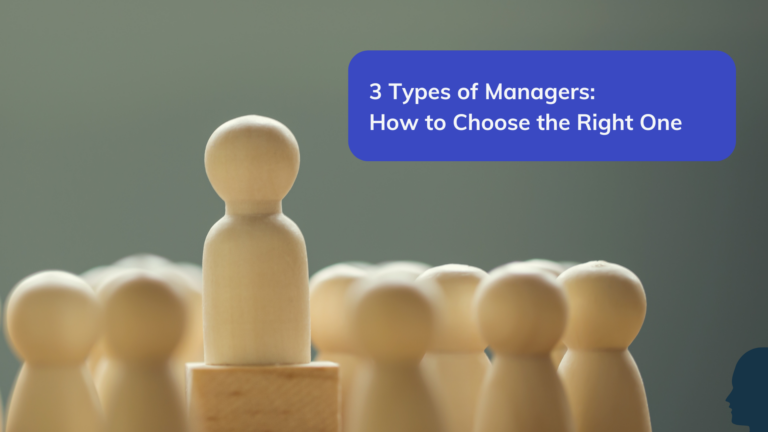


Leadership is no longer limited to giving directives or making strategic decisions. Today, those who inspire and drive their teams rely on a set of human skills, often called “soft skills”. These qualities transform a good organization into a high-performing, cohesive and resilient group. The secret of an influential leader rests primarily on five of these key soft skills which, combined with professional experience, truly make a difference on a daily basis.
Why are soft skills gaining so much importance in leadership?
As soon as modern leadership is mentioned, the question of interpersonal skills naturally enters the discussion. The era when only technical expertise mattered is over. Today, successfully rallying people around a project involves understanding and managing human dynamics. This dimension makes all the difference when tensions arise or objectives seem unattainable.
Companies are strongly seeking this type of relational leadership because it promotes motivating others, reduces turnover and stimulates collective creativity. For sales professionals working on long cycles, for example, the importance given to soft skills such as empathy demonstrates how crucial these assets are for anticipating client needs, defusing concerns and sustainably strengthening the professional relationship. Current challenges require agility, but also genuine relational qualities to remain effective, even under pressure. These abilities are therefore not supplementary: they become central to steering a team towards success.
What are the five essential soft skills to excel in leadership?
Our principle of transparency is embedded in our values: saying what needs to be said, even when it’s uncomfortable. Concretely, that means we’ll tell you if your salary range is misaligned with the market. We’ll tell you if the candidate you absolutely want raises a red flag on a critical point. We’ll tell you if the training you’re requesting won’t solve the problem you’re identifying. Everyone says they like transparency; few accept its relational cost. We do.
Certain human qualities systematically recur among leaders who make their mark on their environment. From this long list, five stand out for their capacity to durably influence group dynamics, establish solid trust and bring out the best in everyone.
Are empathy and emotional intelligence inseparable?
Empathy doesn’t just consist of sympathizing, it enables one to grasp what a colleague feels without hasty judgment. A good leader knows how to perceive the mood of a person or a team and adapt their behaviour accordingly. This fine understanding provides better conflict management, nurtures collective engagement and enables the celebration of each small victory.
Well developed, empathy joins emotional intelligence, that is to say the capacity to identify one’s own emotions as well as those of others, then to use them to guide a situation. A manager endowed with this quality makes fair decisions, adjusts their posture when the stakes rise and prevents weariness or excessive stress.
Active listening and communication, how do they work together?
Knowing how to listen goes well beyond simply hearing. Active listening incorporates the genuine desire to understand, to rephrase, to ask relevant questions and to encourage free expression. A colleague feels supported when they know their ideas will be considered, even if they are not adopted. In certain professions, such as that of customer loyalty director, listening and communication prove fundamental for interpreting with finesse everyone’s expectations and guaranteeing long-term satisfaction.
Communication comes to complement this first step. It encompasses both message clarity, non-verbal attitude, adaptability according to the audience concerned and transparency towards the team. Open discourse and quality listening together create a climate conducive to constructive exchanges and rapid problem resolution.
Adaptability and autonomy, why do they form a winning duo?
Every work environment sooner or later encounters the unexpected. Faced with uncertainty, the capacity to adapt enables one to quickly analyse a change, to review priorities without losing sight of the initial objective. This trait prevents getting bogged down in ineffective routines and promotes innovation.
On the autonomy side, it is cultivated day by day. A true leader encourages everyone to take initiatives, to learn from their mistakes and to evolve outside an overly rigid framework. When this independence combines with adaptability, teams become more proactive, inventive and less inclined to experience organizational changes as obstacles.
What roles do team spirit and motivating others play in leadership?
Far from being secondary, team spirit constitutes a powerful lever for achieving common objectives. Encouraging cooperation, celebrating shared successes and resolving differences with fair play strengthen adherence to the group vision. An attentive leader will detect much more quickly the weak signals that hinder cohesion.
To maintain this momentum, nothing equals motivating others. Whether it’s providing support during a difficult time, setting stimulating objectives or recognizing accomplished progress, a good manager always finds the words and gestures to remotivate those around them. This happens through highlighting talents as well as the recognition of individual and collective involvement.
What place do assertiveness and stress management occupy in a charismatic leader?
Assertiveness represents a genuine asset in all professional interactions. It enables one to assert one’s point of view without aggression, to remain attentive while setting clear and respectful boundaries. With this approach, disagreements are resolved more serenely and everyone dares to propose innovative solutions.
Likewise, stress management distinguishes a leader capable of keeping their composure faced with difficulties. Rather than giving in to panic or discouragement, they adopt concrete strategies to channel pressure and remain lucid. Their reactions naturally calm their colleagues, offering a solid anchor even in critical periods.
To go further on who we are.

 Quiet quitting: understanding and preventing the silent disengagement of employees
- How do you tackle the crisis as a manager with your team?
- Developing Emotional Intelligence in Your Teams: Practical Methods and Tools for Management
- How Meroso decided to stop production to invest in a Leadership Training
- Remote Management: 8 Keys to Effective Distance Management
- 3 Types of Managers: How to Choose the Right One