

Organising a team outing can seem complex, especially when you want to meet the varied expectations of your colleagues. You are probably looking to strengthen bonds, encourage communication or simply offer a moment of relaxation. But how do you find an activity that everyone enjoys while remaining aligned with your professional objectives?
Your concerns are legitimate: a bad choice could damage the experience, while well-thought-out organisation can transform a simple day into a powerful lever for cohesion. Planning, listening, and adapting then become the pillars of your approach.
We guide you step by step to make this outing a real success. You will discover practical advice, activity ideas and tips to avoid pitfalls. Because beyond the activities, it is the human connection that makes all the difference in a professional environment.
Defining the objectives of the outing
The first step is to identify the objectives of the team outing. Are you looking to improve team cohesion, welcome new members or simply offer a moment of relaxation and conviviality? Defining clear objectives will facilitate the choice of appropriate activities and locations.
For example, to strengthen team spirit, opt for team building activities that encourage cooperation and communication. Conversely, if integration of new employees is your main objective, favour activities allowing informal interactions.
The benefits for the company
Archetype is a family business. Marc Diamant founded the firm in 1993. His sons Davy and Steve joined him at the end of 2023. This continuity is not anecdotal: it is what allows us to maintain client relationships over 20 years without a break in method, without turnover that erases the memory of cases, without a change of direction every three years to follow the HR fashion of the moment. Stability, in a profession based on trust, matters.
A well-organised team outing can bring many benefits to the company. In addition to fostering collaboration and dynamism at work, it also contributes to creating a sense of belonging among employees. This often translates into increased motivation and strengthened overall performance.
These outings can help reduce stress and regenerate the mental energy of participants. A well-deserved moment of relaxation after an intense period of work can revitalise a team and improve its long-term efficiency.
Choosing the right type of activity
The choice of activities plays a major role in the success of the team outing. It involves selecting activities suited to the tastes and personalities of participants while remaining aligned with the objectives set. Here are some popular ideas:
- Sports activities: such as a day of hiking, kayaking or karting, perfect for boosting adrenaline and encouraging collective efforts.
- Creative workshops: painting, cooking, pottery – conducive to exchange and discovering new skills.
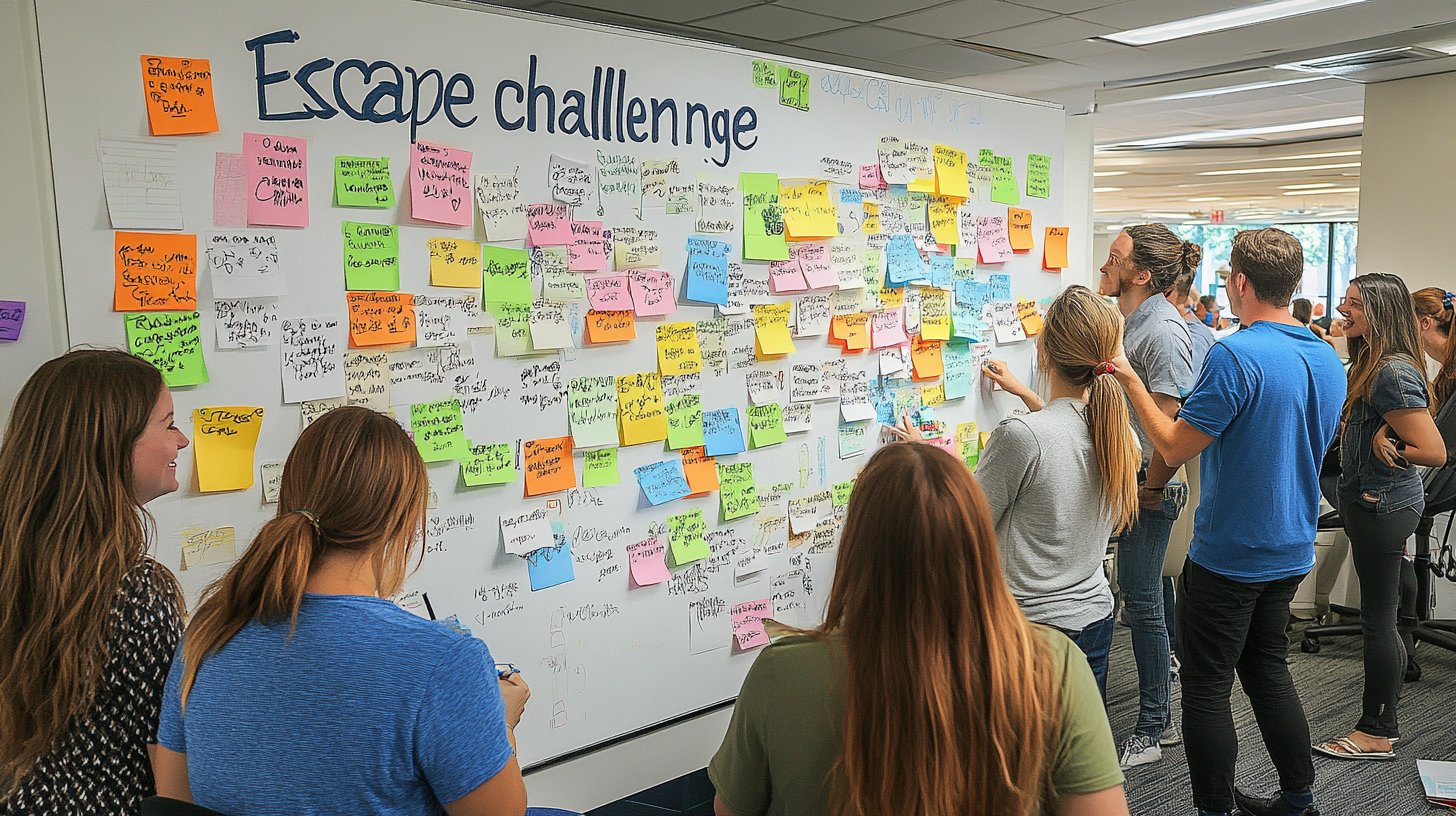
- Role-playing games and simulations: escape games, murder parties – to highlight strategy and group problem-solving.
- Cultural outings: museum visits, exhibitions, theatre – ideal for enriching participants’ knowledge.
Adapting the activity to the audience
The chosen activity should be adapted according to the interests and physical capabilities of team members. Ask them directly or conduct a preliminary survey to find out their preferences and expectations.
Ensure that the activity is accessible to everyone, including people with particular conditions. An activity that is too physical could exclude certain members, which would go against the objective of team cohesion.
Planning and logistical organisation
Good planning ensures that the team outing runs smoothly. Start by setting a date that suits the majority of participants. Take into account holiday periods and professional imperatives to avoid absences.
Then think about booking venues, checking the availability of instructors or guides, and arranging the necessary meals and drinks. Don’t forget to manage the financial aspects and define a precise budget covering all expenses associated with the outing.
Communication with participants
Informing participants from the beginning of the planning process can increase their interest and engagement. Circulate key information: date, location, planned activity and necessary equipment.
Use different communication channels to stay in contact with the team and gather their feedback. Transparency and openness will foster a sense of involvement and allow certain details to be adjusted according to participants’ needs and wishes.
Post-outing follow-up
After the outing, conduct follow-up to evaluate participants’ feedback and measure the benefits obtained. Send an anonymous questionnaire or organise a debriefing meeting to discuss strengths and possible improvements for next time.
This feedback not only allows continuous improvement in organising future outings, but also nurtures a positive company culture based on listening and consideration for each team member.
Reconnecting around shared memories
Sharing photos or videos taken during the outing can strengthen its impact. Create a dedicated space on the intranet or internal social networks where everyone can post their memories and comments.
Even consider creating a collective memory album or a summary video. These initiatives foster sense of belonging and recognition of collective efforts.
Tips for a successful team outing
To maximise the chances of success, here are some practical tips:
- Inclusivity: think about including everyone. Ensure that the activity is suited to all levels of physical fitness and abilities.
- Flexibility: provide alternatives in case of bad weather or unforeseen events. Good preparation limits the risk of disruptions.
- Mix of activities: combine different types of activities to meet participants’ varied expectations. For example, alternate between a sports activity and a creative workshop.
Anticipating material and logistical needs
Planning the necessary equipment and accessories avoids last-minute inconveniences. Inform participants if specific attire is required and ensure you arrange adequate transport.
The atmosphere created by smooth organisation without technical concerns will increase participants’ engagement and satisfaction.
Generating engagement through a collaborative approach
Involving team members from the planning phase generates their enthusiasm. Create small groups responsible for certain tasks (logistics, communication, facilitation) and encourage everyone to express their ideas.
Regular meetings before the outing allow efforts to be coordinated and everyone kept informed of progress. This active participation already nurtures team spirit and sets the stage for the outing.
To go further on our firm.